
Crop Profiles
Flax
Flax follows a typical small grain growing season in Manitoba. It is seeded in May and is very sensitive to spring frosts at the cotyledon stage, as it needs a strong start with warm soils. Once the seedling hardens off, it can withstand cold temperatures for short periods.
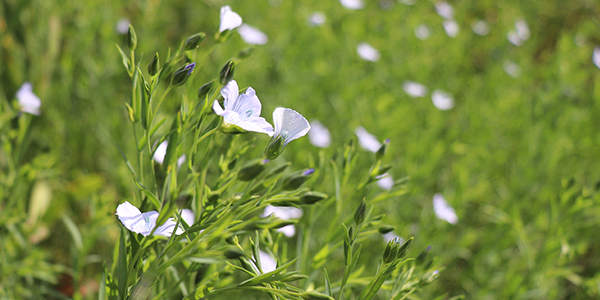
Flax plants produce a beautiful purple-blue flower in mid- to late July and grain is ready for harvest by September.
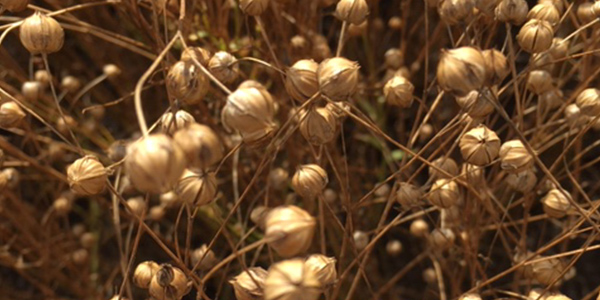
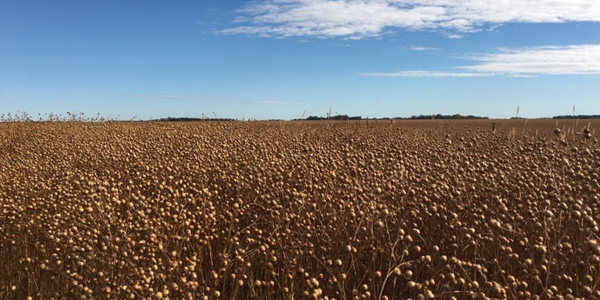
Flax can be grown almost anywhere there is arable land in Manitoba, but flax acres are normally seeded south of the Parkland area to avoid the risk of early spring and fall frosts that can affect yield and quality.
Flax in Manitoba is grown primarily for human consumption and oil production, although flax has a variety of other uses, including animal feed and industrial applications
End Uses
Did You Know?
Most of Manitoba’s flax crop is processed domestically for human consumption, as flaxseed is high in omega-3 fatty acids, fibre and lignans, which act as antioxidants and are not commonly found in many foods.
Annual Stats*
Manitoba Flax Usage**
Top Export Destinations**
USA 37.2%(9,438 t)
China 29.3%(7,424 t)
Belgium 21.5%(5,453 t)
* Seeded area, production and crop value data are an average of the 2020/21 – 2024/25 crop years. Export value data are an average of the 2019/20 – 2023/24 crop years.
** Manitoba Usage and Top Export Destinations data are an average of the 2019/20 – 2023/24 crop years.
SOURCES: LeftField Commodity Research, Statistics Canada, Canadian Grain Commission and Trade Data Monitor