
Filiz Koksel, associate professor, University of Manitoba
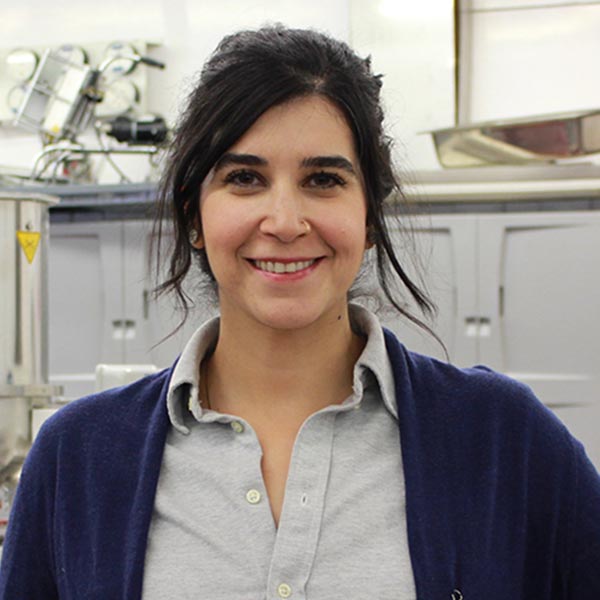
Filiz Koksel is an associate professor in the Department of Food and Human Nutritional Sciences (FHNS) at the University of Manitoba (UM). She was appointed Manitoba Strategic Research Chair in Sustainable Protein in July this year.
Born in Winnipeg while her father was completing graduate studies at UM, Koksel grew up in Turkey, where she earned her bachelor’s and master’s degrees in food engineering from Middle East Technical University in Ankara. She later returned to Winnipeg to complete her PhD in food science at UM and joined the Department of FHNS as a faculty member in 2017.
She lives in Winnipeg with her husband and their five-year-old daughter.
Tell us a bit about what you’re working on at UM.
My research focuses on food processing, transforming ingredients, both plant- and animal-based, into nutritious, appealing foods. These processes range from mixing or milling for bakery applications, to extrusion cooking, which is a process used for making puffed snacks like Cheetos or breakfast cereals like Cheerios. Extrusion also allows us to produce a wide range of plant-based meat alternatives.
Broadly, my research explores how to process different ingredients from cereals, pulses, oilseeds and other materials into foods that are both nutritious and appealing to consumers. We test at the ingredient, processing and food levels, and measure a wide range of quality attributes.
We look at nutritional quality; for example, whether proteins or starches are digestible. Starch digestibility affects how quickly blood sugar spikes, while protein digestibility affects how efficiently our bodies absorb amino acids, the building blocks of proteins.
Another key area is techno-functionality, which refers to how food components interact with other components in their environment (e.g., water or oil). Can they bind oil and water? Form stable emulsions or strong gels? These properties are important for shelf life, stability and product texture.
Finally, we study the physical and sensory quality of the products, including appearance, texture and mouthfeel, all critical to consumer acceptance. Are high-protein snacks as crispy as their starchy counterparts? Do high-fibre cereals remain crunchy in milk? Why are plant-based meats sometimes chewier or gummier?
We’re also exploring advanced oxidative processes (AOP) in the “Decontaminating stored flax’ project funded by Manitoba Crop Alliance (MCA) and the Sustainable Canadian Agricultural Partnerhip (a joint federal, provincial and territorial program). Led by Dr. Jitendra Paliwal in collaboration with Dr. Claudia Narvaez, this project aims to reduce the microbial load in flaxseed – a growing concern, as flaxseed is increasingly consumed raw, such as sprinkled on yogurt. The decontamination work (a combination of UV light, hydrogen peroxide and ozone treatment) happens in Dr. Paliwal’s lab and my team studies whether flaxseed’s techno-functional properties, like water binding and gel formation, change after treatment.
What got you interested in this area of work?
My biggest influence was (and still is) my father, also a food scientist specializing in cereal products. He worked in a government lab in Turkey, and I remember visiting him as a child on Take Our Kids to Work Day. Watching cereal scientists test bread dough quality felt like playing in a giant Play-Doh factory, it was fascinating.
I was also very fortunate to have Dr. Martin Scanlon, now the dean of the Faculty of Agricultural and Food Sciences at UM, as my PhD supervisor. He gave me the freedom to explore areas that genuinely interested me, which shaped both my research direction and how I mentor students.
What can you say about the value of farmers providing funding and support to your organization?
Farmer support is essential for sustaining my research program. Their funding enables us to train students who often stay in Manitoba and become future industry experts. It also ensures that research findings flow back to the people who make the work possible. We regularly share reports and are always open to discussing results and implications directly with farmer organizations.
How does that farmer funding and support directly benefit farmers?
Food safety in flax and other grains is a major issue. While my focus is on techno-functionality, our team includes Dr. Claudia Narvaez, a food microbiologist, so we can address multiple aspects of the problem.
As flax becomes more popular for its nutritional benefits, microbial contamination has become a growing concern. Conventional treatments exist, but they can be costly or compromise quality. We are looking for safer, more cost-effective methods that maintain product functionality and help farmers expand markets, improve product quality and gain economic value from their crops.
How do you spend your time outside of work?
Five years ago, before I had my little one, my answer would have been very different! Most of my time now revolves around caring for my family. When I can, I enjoy live music and discovering new restaurants and cafes around Winnipeg.
What is the best part of your job?
Definitely being around students. While much of my time is spent writing grants and papers, I still spend time in the lab. I have a great team of M.Sc. and PhD students, research assistants and post-doctoral fellows. Their energy and curiosity keep the work exciting, and some days, I learn more from them than they do from me. It’s rewarding to watch them grow into the next generation of scientists and mentors.
What are you excited about for the future of agriculture?
Although my research has mainly focused on plant-based foods, my new chair role expands into hybrid and animal-based systems. I’m excited to explore how both sectors can work together toward sustainable and balanced protein production, which is vital for Manitoba’s agricultural future.
What is your favourite food or meal to cook?
I love baking bread. I have this passion for bread since my PhD, which focused on bubbles in bread dough, as they play a crucial role in texture and quality. Gas bubbles make up 10–15 per cent of dough after mixing and expand to 70–80 per cent in the final loaf. Without them, you’d have a dense brick instead of soft bread! For me, baking is meditative—a chance to slow down, unplug and just enjoy the process (even if the results aren’t always perfect).
Check out @foodprolab on Instagram or connect with Filiz Koksel on LinkedIn.