Improving Pollen Fitness In Wheat For Enhanced Thermotolerance Under Hot And Dry Environments
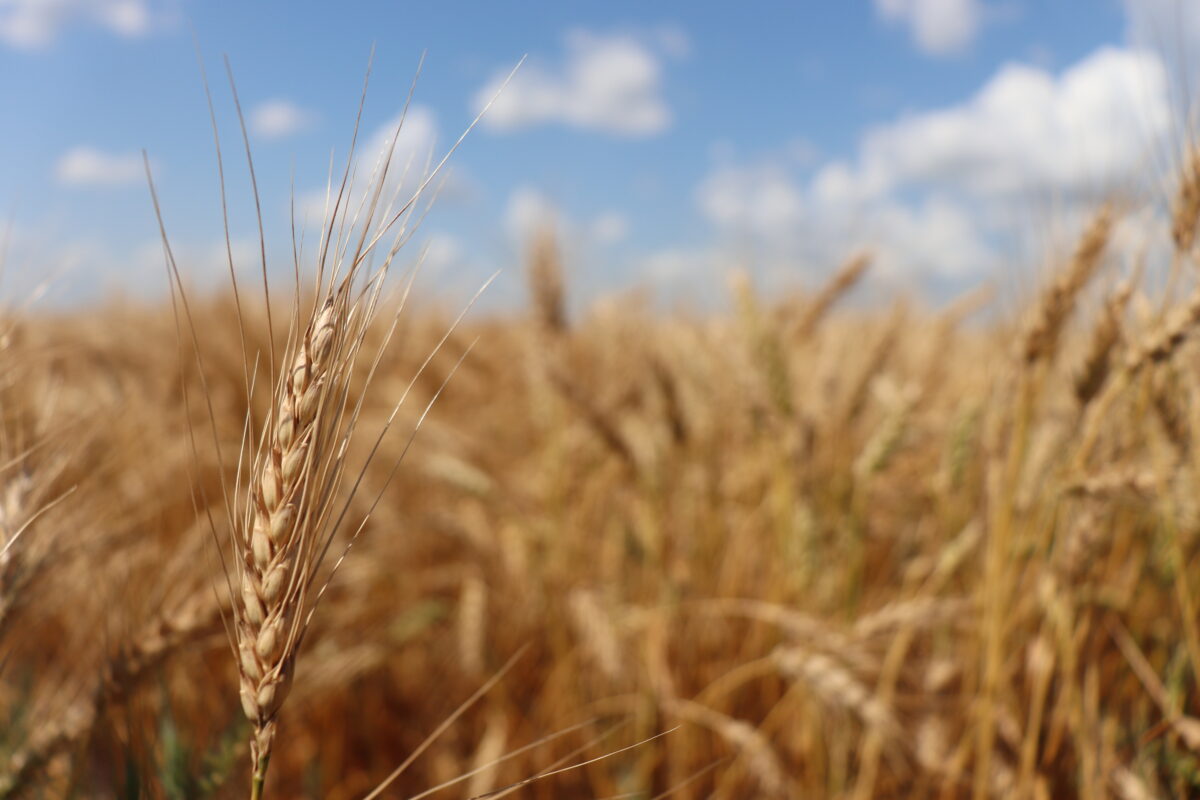
Improving pollen fitness in wheat is important for protecting grain yield under heat and drought stress. So far, little is known regarding the pollen fitness in wheat for tolerance to high temperature in the prairies.

Objectives

  1. Determine genotypic variation in pollen numbers of a panel of Canadian CWRS and CWAD germplasm
  2. Assess and understand pollen fitness of a panel of CWRS and CWAD germplasm under thermal stress
  3. Identification of the most pollen tolerant cultivars from CWRS and CWAD classes under hot and dry field environments
  4. Obtain pollen metabolite profiles of CWRS and CWAD lines under heat stress

Kochia Control With Combinations Of Pre-Emergence Herbicides

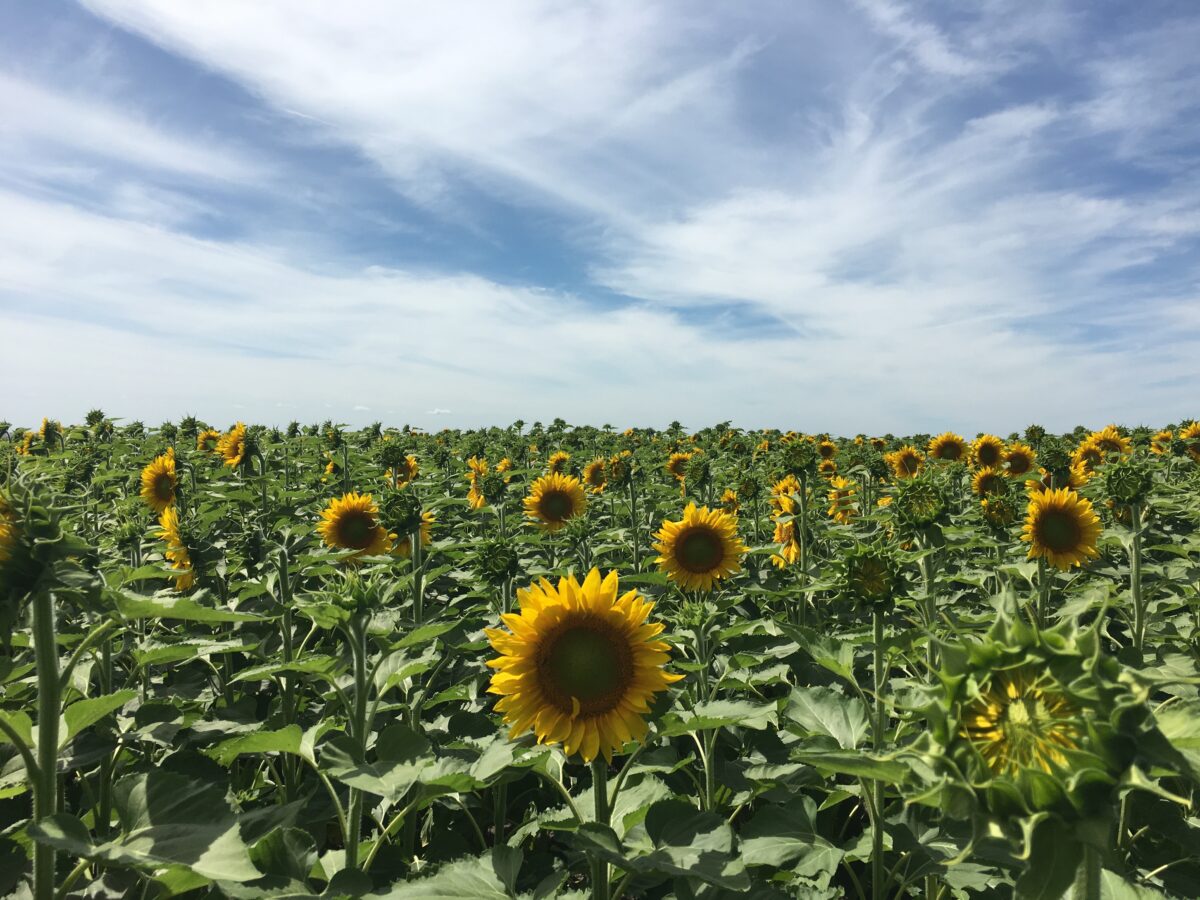
This project will identify an effective pre-emergent herbicide program for a kochia management in sunflower.

Objectives

  1. Determine the most effective residual herbicide that does not require mechanical incorporation for kochia control in sunflower.
  2. Identify whether two-way mixtures of sulfentrazone, pendimethalin, S-metolachlor, and pyroxasulfone resulted in synergistic kochia control.

Critical Period For Weed Control In Sunflower

Currently, no critical period of weed control data exists for sunflower under Western Canadian growing conditions. This project will investigate the CPWC for sunflower to aid producers with informed weed management decisions and improved crop productivity. 

Objectives

  1. Determine the components of the CPWC in sunflower.
  2. Determine impact of weed removal at different crop growth stages on agronomic performance of sunflower.

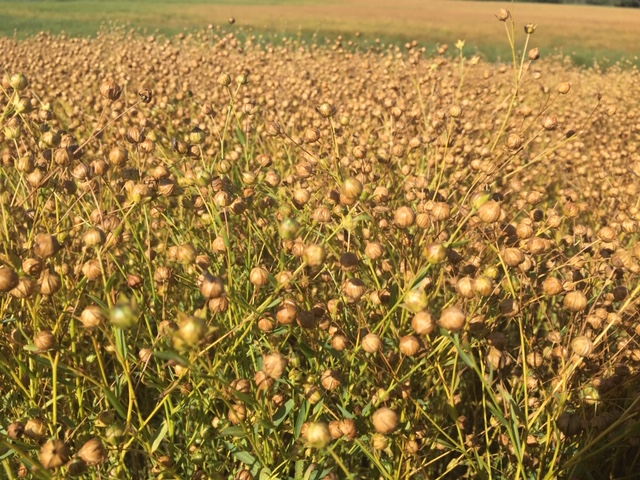
Critical Weed Free Period In Flax

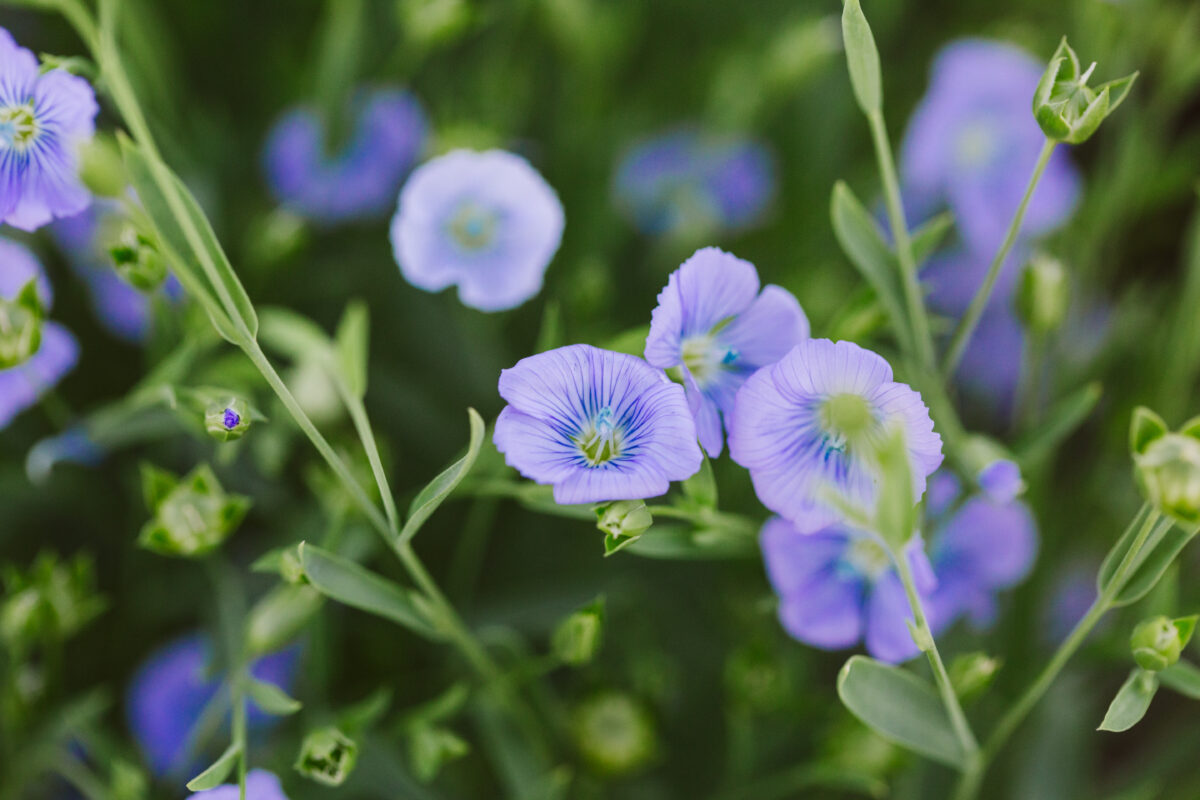
Currently, no critical period of weed control data exists for flax under Western Canadian growing conditions. This project will investigate the CPWC for flax to aid producers with informed weed management decisions and improved crop productivity.

Objectives

  1. Determine the components of the CPWC in flax.
  2. Determine impact of weed removal at different crop growth stages on agronomic performance of flax.

Critical Weed Free Period In Corn.

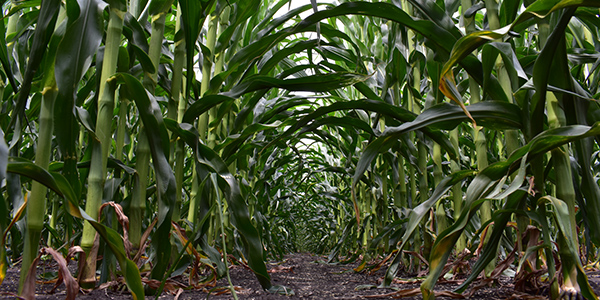
This project will update the critical period of weed control (CPWC) for Corn in Manitoba. 

Objectives

  1. Determine the components of the CPWC in corn.
  2. Determine impact of weed removal at different crop growth stages on agronomic performance of corn.

Effects Of Seed Priming On Corn Seeding Date, Stress Tolerance, and Productivity

The goal of this project is to evaluate the efficacy of seed priming on seeding date, stress tolerance, and productivity of corn. 

Objectives

  1. Evaluate the efficacy of different seed priming solutions for enhancing corn tolerance to sub-optimal temperature, waterlogging, and drought (alone or in combination) under a controlled environment.
  2. Conduct field evaluations at multiple locations to evaluate the effects of seed priming on corn seeding date and productivity.

Isotopic Evaluation Of Fertilizer N Fate For Long-Term Tillage Practices In Corn.

This study will determine the impact of tillage regime on fertilizer uptake efficiency and has the potential to improve upon the standing recommendation system, benefiting corn producers by maintaining yields while reducing fertilizer input costs. 

Objectives

  1. Determine the impact of long-term conventional- and zero-tillage management on fertilizer 15N uptake efficiency in corn
  2. Assess the fate of residual 15N-fertilizer in inorganic and organic N pools post-harvest for zero- and conventional-till.
  3. Quantify the contribution of residual fertilizer N to the following crop for zero- and conventional till.

Determining Fungicide Effectiveness To Manage Phomopsis Stem Canker.

The findings of this research will determine effective fungicides for managing Phomopsis stem canker in sunflower. 

Objectives

  1. Evaluate the effectiveness of fungicides as well as fungicide application timing for the management of Phomopsis stem canker under field conditions in Minnesota, Nebraska, North Dakota, and South Dakota.

Advancement of microbial reduction and techno-functional properties of oxidateively decontaminated and stored flax seed.

This project is aimed at bridging the knowledge gap that exists in regard to the mechanisms and optimal conditions for the advanced oxidative decontamination of flaxseed. The outcomes of the project will add value to the Canadian flaxseed through lowering its microbial load following harvest and during storage, while keeping its techno-functionality intact

Objectives

  1. Quantify microbial reduction change and techno-functional properties of flaxseed meal after advanced oxidative process (AOP) decontamination
  2. Optimize the application parameters and establish safe AOP decontamination guidelines and limits for the food industry.

Discovering Moisture: the unknown potential of coleoptile length in wheat under dry seeding conditions

Rapid, uniform stand establishment is critical for successful wheat productivity in Manitoba. The timing of wheat seeding needs to match with soil conditions that facilitate successful seedling emergence and establishment. In Manitoba, seeding moisture is reliant on the prior winter’s snow melt. Farmers in Manitoba have been experiencing dry spring and fall seeding conditions recently. For example, lack of overwinter snow accumulation (approx. 30-40% of normal) and early snow melt in 2021 led to extremely dry seeding conditions. This results in widespread areas of patchy emergence, ungerminated acres, ultimately prompting higher than normal re-seeding efforts (Manitoba Agriculture and Resource Development, 2021a, 2021b). Dry periods in Manitoba always existed, but are expected to be exacerbated by climate change. Dry seeding conditions have led to poor stand establishment, late seeding, and therefore reduced wheat yields (Rebetzke et al., 2005).

Objectives

  1. Phenotype a range of popular and upcoming spring and winter wheat genotypes for coleoptile length.
  2. Examine the influence that coleoptile length has on emergence speed and plant vigour under tilled and conservation tillage systems when deep seeded.
Top